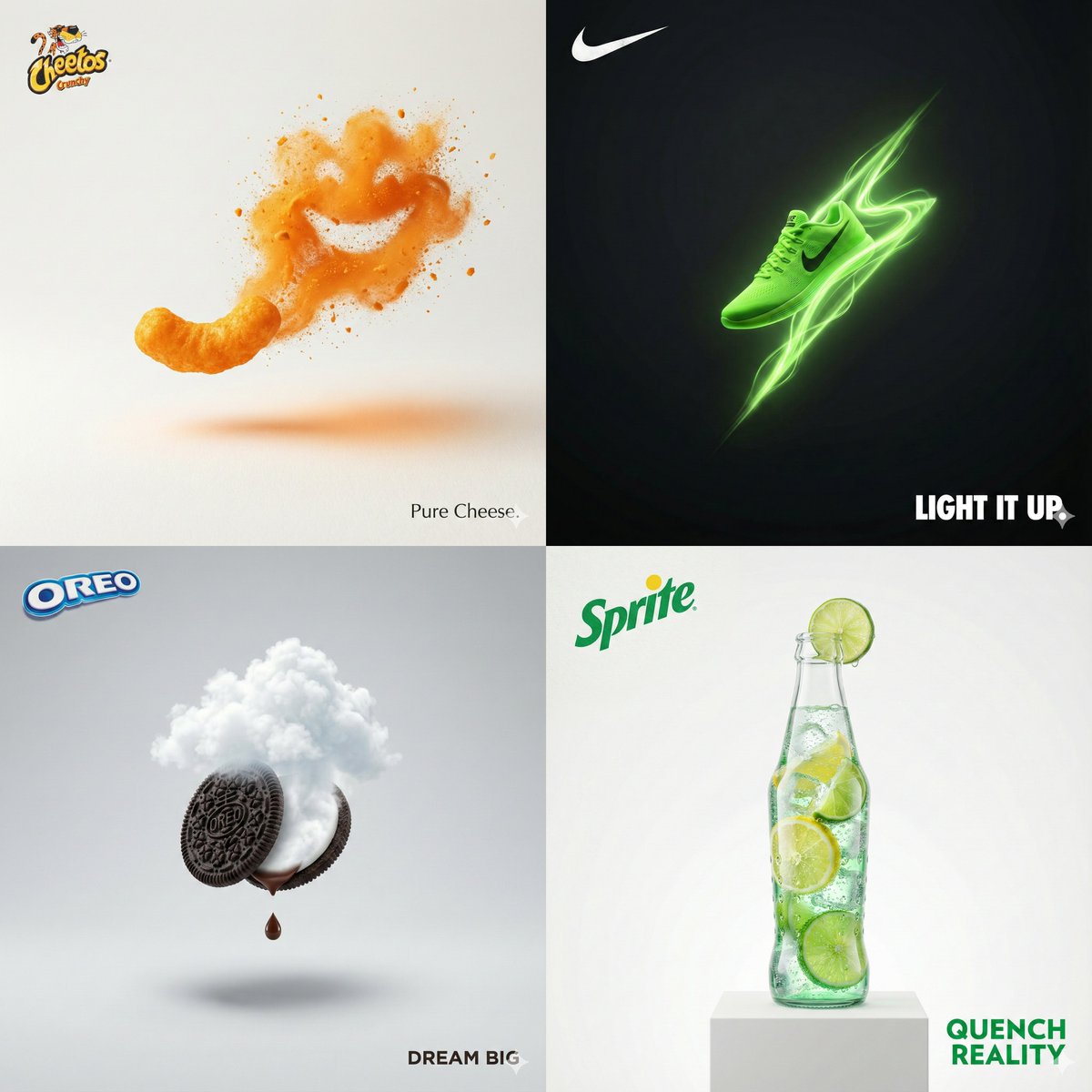
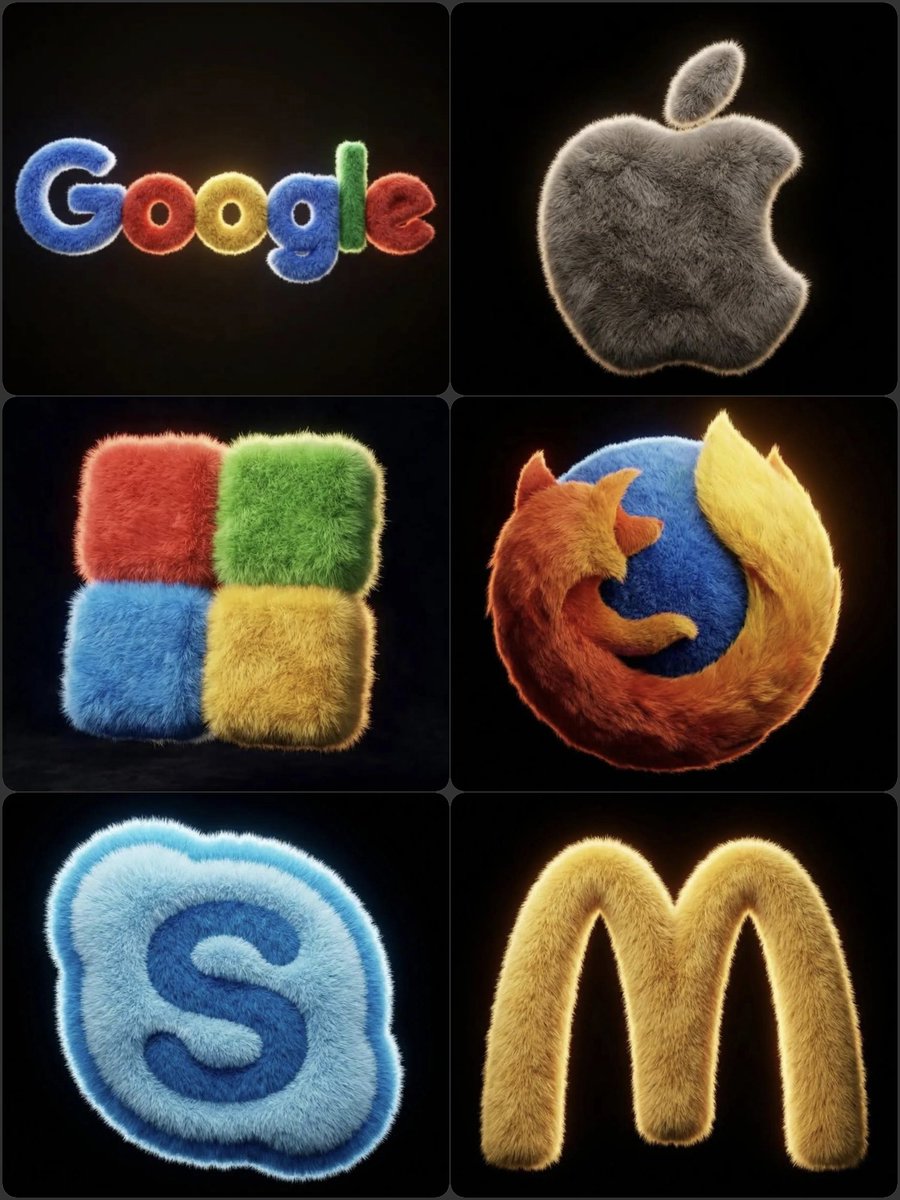
请根据用户输入的【品牌名 / 项目名】【副标题 / 产品名】【类型 / 行业】【品牌定位】【核心关键词】【核心意象】【情绪气质】【主色调】【辅助色】【画幅比例】,设计一个高完成度的「图文融合意象型 Logo / Symbol-Integrated Wordmark Logo」。

【用户输入】
品牌名 / 项目名:【品牌名 / 项目名】
副标题 / 产品名:【副标题 / 产品名】
类型 / 行业:【类型 / 行业】
品牌定位:【品牌定位】
核心关键词:【核心关键词】
核心意象:【核心意象】
情绪气质:【情绪气质】
主色调:【主色调】
辅助色:【辅助色】
画幅比例:【画幅比例】

【核心目标】
这次要设计的是一个真正的 logo,一个以文字为主轴、同时将图形意象自然融合进字标内部的品牌标志,而不是普通图标加文字,也不是贴纸、插画、海报或包装页面。

请围绕【品牌名 / 项目名】进行设计,让 logo 呈现“字里有图、图里有字、图文共构”的效果。重点不是在文字旁边额外挂一个图标,而是让图形意象、象征元素或语义视觉符号,内生地嵌入到字形结构、笔画关系、轮廓构成和整体标志系统中,形成一个完整、统一、可独立使用的 logo。

【设计本质】
这类 logo 不是单纯写字,也不是简单加图标,而是以文字为主轴,通过图形意象、线条、局部图案、结构构成、留白和微排版,把字做成一个完整的视觉标志。整体必须首先是一个 logo,其次才体现图文融合的巧思和意象表达。

【最重要的原则】
1. 这必须首先是一个 logo。
2. 必须首先像一个可真实用于品牌、门头、包装、社媒头像、品牌物料的标志。
3. 文字是主轴,图形意象必须服务于文字,并与文字融合成一个整体。
4. 不要做成“图标在上、文字在下”的普通组合式 logo。
5. 不要只是把一个小插画贴在字旁边,而要让图形真正参与字标结构。
6. 不能失去 logo 的清晰性、识别性和独立使用性。

【图文融合要求】
请重点通过“图文共构”的方式进行设计。可采用但不限于以下融合方式:
1. 让某个笔画直接转化为【核心意象】相关的图形元素;
2. 让某个字的结构轮廓自然演变为一个语义图形;
3. 让图形成为字的一部分,而不是附属装饰;
4. 让图形与文字共享同一轮廓、同一线条系统或同一构成语言;
5. 通过负形 / 留白,把图形意象藏进字形内部;
6. 通过局部替代、局部嵌入、局部延展的方式,让图形与字形成有机联系;
7. 图形可以是自然物、器物、象征符号、品牌物件、空间轮廓、行业元素等,但必须与【核心意象】和品牌属性高度相关。

【核心意象理解要求】
请根据【品牌定位】【类型 / 行业】【核心关键词】【核心意象】来判断最适合融合的图形意象。
意象可以来自:
- 自然类:山、水、风、云、树、花、鲸、鱼、鸟、月亮、波纹
- 空间类:房子、门、窗、店铺轮廓、屋檐、街道、桥
- 器物类:杯子、书、纸飞机、胶片、唱片、灯、茶具、包装器形
- 食物 / 产品类:樱桃、丸子、面包、咖啡豆、鱼、果实
- 抽象类:轨迹、回声、流动、光线、旋涡、印记、章纹、路径
但无论选择什么意象,都必须避免直接插画化,必须转译成适合 logo 的简洁图形语言。

【字标设计要求】
1. 以【品牌名 / 项目名】为绝对主视觉核心。
2. 文字必须经过定制化设计,不可直接使用普通电脑字体。
3. 应根据品牌气质,对笔画、比例、重心、疏密、连接方式进行优化。
4. 图形融合必须自然,不生硬,不像拼贴。
5. 可以是中文为主,也可以加入少量英文 / 拼音 / 副标题,但主体必须是融合后的核心字标。
6. 保持可读性与记忆点平衡:一眼能看出是一个独立 logo,近看能发现图形融合的巧思。

【辅助构成要求】
可在 logo 本体周围加入少量辅助性结构,以增强完整度,但必须克制:
1. 少量辅助线条
2. 小型几何形
3. 极简分隔线
4. 小字说明、英文名、拼音、副标题
5. 极少量局部图案或填充
这些元素只能服务于 logo 展示,不可喧宾夺主,不可把结果做成复杂海报。

【画面呈现要求】
1. 画面应像“logo 展示图 / logo 提案页”,而不是海报或包装页面。
2. 背景必须简洁、干净、低存在感,用于突出 logo 本体。
3. 可使用白底、米白底、浅灰底、浅暖纸色等中性背景。
4. 重点是展示 logo 本体及图文融合细节,而不是渲染场景氛围。

【色彩要求】
1. 色彩要服务于 logo 本体,而不是靠背景渲染气氛。
2. 优先使用【主色调】和【辅助色】。
3. 色彩数量不宜过多,整体保持标志化、清晰、可品牌化。
4. 可以根据品牌气质选择单色、双色或低数量多色系统。
5. 避免复杂渐变、强材质依赖、过度做旧、海报化配色。
6. 如果需要层次感,可以通过局部填充、线条、黑白对比和留白来建立,而不是靠复杂背景。

【风格关键词】
logo优先、字标主导、图文融合、意象表达、字里有图、图里有字、symbol-integrated wordmark、语义图形、巧思感、识别度高、简洁、品牌化、完整、精品化。

【验收标准】
请确保最终结果满足以下标准:
1. 去掉背景后,这个标志本身仍然能独立成立;
2. 一眼看上去是一个完整 logo,而不是图标加文字;
3. 图形意象和字标真正融合,而不是简单拼接;
4. 既有识别度,又有巧思和视觉记忆点;
5. 它像一个成熟品牌可使用的标志,而不是一张设计练习图。

【输出要求】
请最终输出一个高完成度的「图文融合意象型 Logo」。它必须首先是一个成熟、独立、可品牌化的 logo;其次,它要通过文字与图形意象的自然融合,展现出鲜明的主题表达与设计巧思。
Please design a highly finished “Symbol-Integrated Wordmark Logo / 图文融合意象型 Logo” based on user inputs: 【品牌名 / 项目名】【副标题 / 产品名】【类型 / 行业】【品牌定位】【核心关键词】【核心意象】【情绪气质】【主色调】【辅助色】【画幅比例】.

【用户输入】
品牌名 / 项目名: 【品牌名 / 项目名】
副标题 / 产品名: 【副标题 / 产品名】
类型 / 行业: 【类型 / 行业】
品牌定位: 【品牌定位】
核心关键词: 【核心关键词】
核心意象: 【核心意象】
情绪气质: 【情绪气质】
主色调: 【主色调】
辅助色: 【辅助色】
画幅比例: 【画幅比例】

【核心目标】
Design a true logo: a brand mark centered on typography, with graphic imagery naturally integrated into the wordmark structure. It must not be a generic icon-plus-text combination, nor a sticker, illustration, poster, or packaging layout.

Design around 【品牌名 / 项目名】 so the logo achieves “imagery within text, text within imagery, co-constructed text-image.” The key is not placing an extra icon beside text, but embedding graphic imagery, symbolic elements, or semantic visual symbols intrinsically into letterform structure, stroke relationships, contour composition, and the overall mark system to form a complete, unified, independently usable logo.

【设计本质】
This logo type is neither pure lettering nor simply adding an icon. With typography as the axis, use imagery, lines, local patterns, structural composition, negative space, and micro-typographic adjustments to turn text into a complete visual mark. It must first and foremost be a logo, then express text-image integration and conceptual imagery.

【最重要的原则】
1. It must first be a logo.
2. It must look like a real mark usable for branding, storefronts, packaging, social media avatars, and brand assets.
3. Typography is the axis; graphic imagery must serve and integrate with the text as one whole.
4. Do not make a conventional stacked logo (“icon above, text below”).
5. Do not just place a small illustration beside text; graphics must truly participate in wordmark structure.
6. Do not lose logo clarity, recognizability, and standalone usability.

【图文融合要求】
Focus on design through “text-image co-construction.” Possible methods include but are not limited to:
1. Convert a stroke directly into an element related to 【核心意象】;
2. Let part of a character’s structural contour naturally evolve into a semantic graphic;
3. Make the graphic part of the character, not decorative add-on;
4. Let graphics and text share the same contour, line system, or compositional language;
5. Hide imagery in glyphs via negative space;
6. Use local substitution, embedding, or extension to create organic links between graphic and text;
7. Graphics may be natural objects, tools, symbolic signs, brand objects, spatial outlines, or industry elements, but must be highly relevant to 【核心意象】 and brand attributes.

【核心意象理解要求】
Determine the most suitable integrated imagery based on 【品牌定位】【类型 / 行业】【核心关键词】【核心意象】.
Imagery can come from:
- Nature: mountains, water, wind, clouds, trees, flowers, whales, fish, birds, moon, ripples
- Space: house, door, window, storefront outline, eaves, street, bridge
- Objects: cup, book, paper plane, film strip, record, lamp, tea set, package form
- Food/product: cherry, dumpling, bread, coffee bean, fish, fruit
- Abstract: trajectory, echo, flow, light, vortex, imprint, seal pattern, path
Whatever is chosen, avoid direct illustration style; translate it into concise logo-suitable graphic language.

【字标设计要求】
1. Take 【品牌名 / 项目名】 as the absolute primary visual core.
2. Typography must be custom-designed; do not directly use default computer fonts.
3. Optimize strokes, proportions, center of gravity, spacing density, and connection modes according to brand temperament.
4. Graphic integration must be natural, not rigid or collage-like.
5. Primarily Chinese is fine; limited English / pinyin / subtitle may be added, but the main body must be the integrated core wordmark.
6. Balance readability and memorability: instantly recognized as an independent logo, with integrated ingenuity visible on closer look.

【辅助构成要求】
A small amount of auxiliary structure may be added around the logo body to enhance completeness, but must be restrained:
1. Minimal auxiliary lines
2. Small geometric shapes
3. Minimal separators
4. Small explanatory text, English name, pinyin, subtitle
5. Very limited local patterns/fills
These elements must only support logo presentation, not overpower it, and must not turn the result into a complex poster.

【画面呈现要求】
1. The visual should look like a “logo showcase / logo proposal sheet,” not a poster or packaging page.
2. Background must be simple, clean, low-presence to highlight the logo body.
3. Use neutral backgrounds such as white, off-white, light gray, or light warm paper tone.
4. Focus on presenting the logo body and text-image integration details, not atmospheric scene rendering.

【色彩要求】
1. Color should serve the logo body, not rely on background mood rendering.
2. Prioritize 【主色调】 and 【辅助色】.
3. Keep color count limited; maintain sign-like clarity and brandability.
4. Choose monochrome, duotone, or low-color systems based on brand temperament.
5. Avoid complex gradients, heavy material dependence, excessive vintage treatment, and poster-like palettes.
6. If layering is needed, build it through local fills, lines, black-white contrast, and negative space rather than complex backgrounds.

【风格关键词】
logo-first, wordmark-led, text-image integration, imagery expression, imagery within text, text within imagery, symbol-integrated wordmark, semantic graphics, ingenuity, high recognizability, concise, brandable, complete, premium-crafted.

【验收标准】
Ensure the final result meets:
1. After removing background, the mark still stands independently;
2. At first glance it is a complete logo, not icon plus text;
3. Graphic imagery and wordmark are truly integrated, not simply stitched together;
4. It has recognizability plus conceptual ingenuity and visual memory points;
5. It looks like a mature, usable brand mark, not a design exercise image.

【输出要求】
Output a highly finished “图文融合意象型 Logo.” It must first be a mature, independent, brandable logo; secondly, through natural fusion of text and graphic imagery, it should present clear thematic expression and design ingenuity.