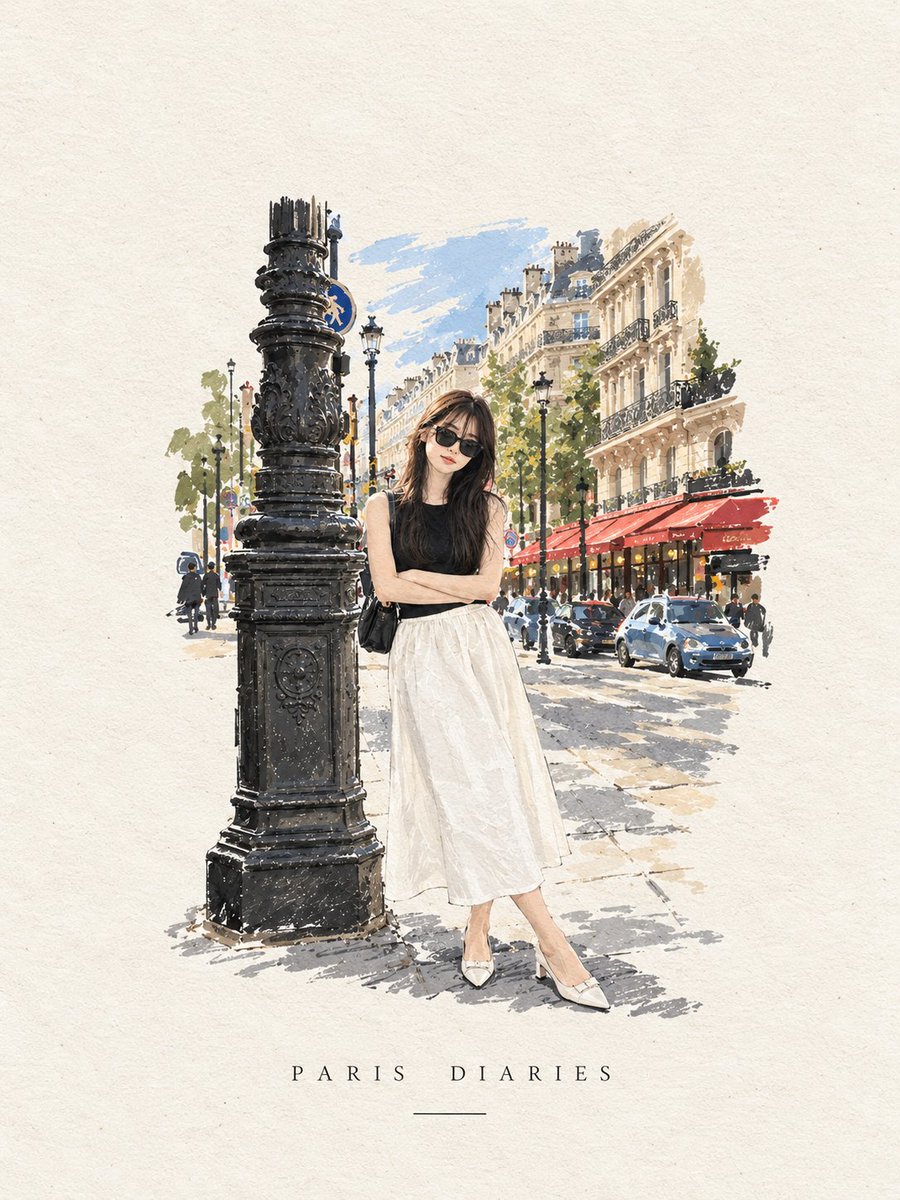
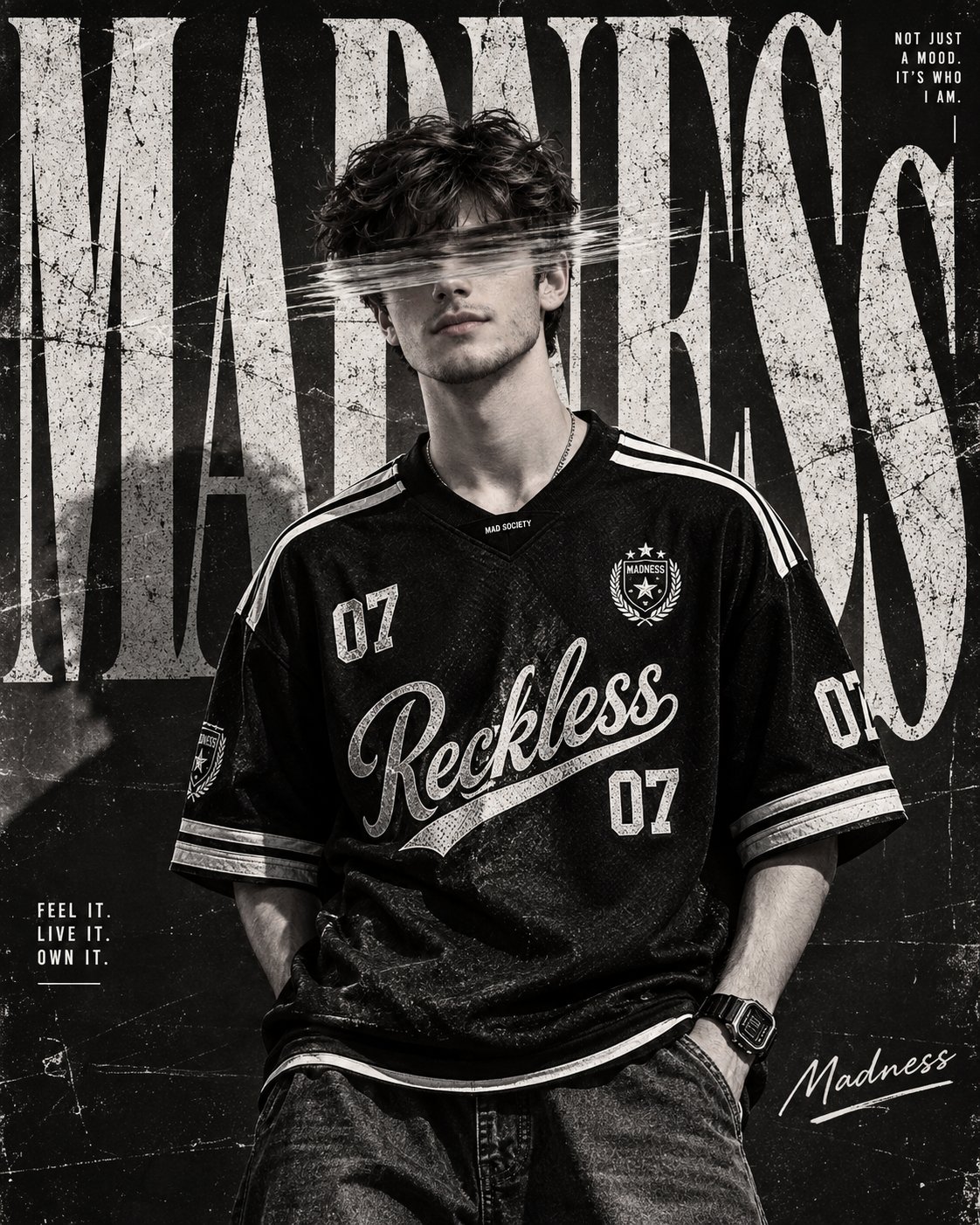
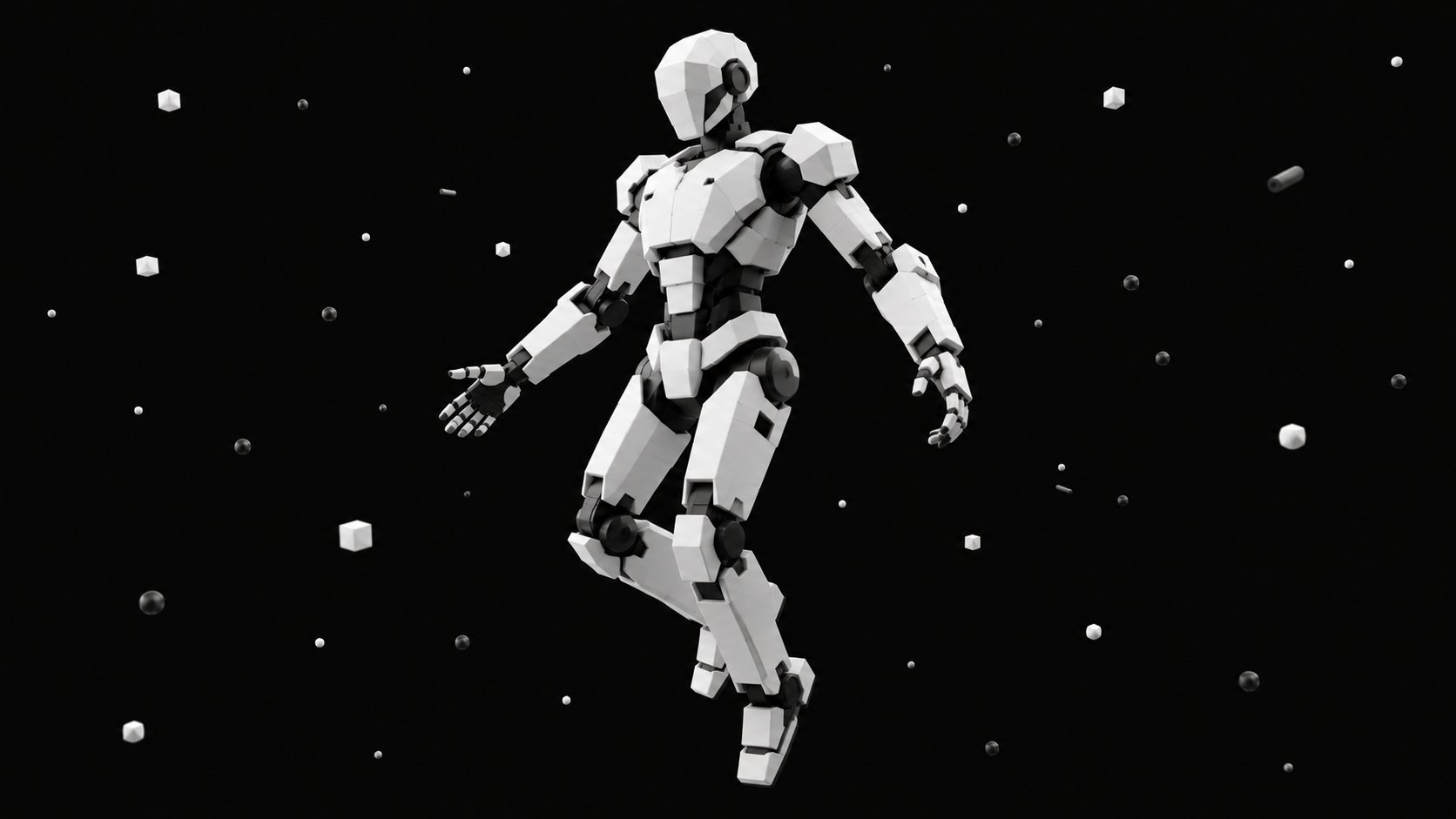
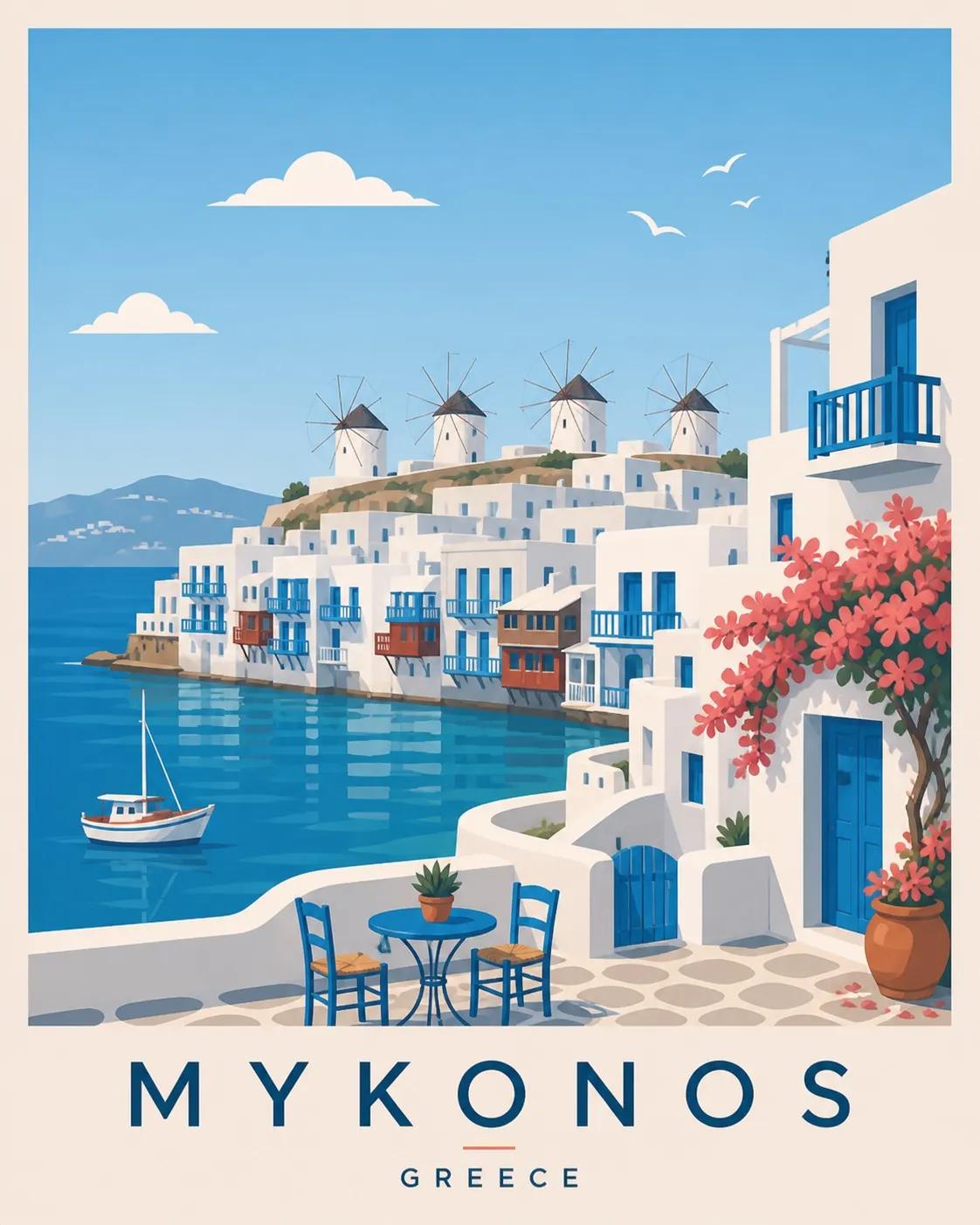
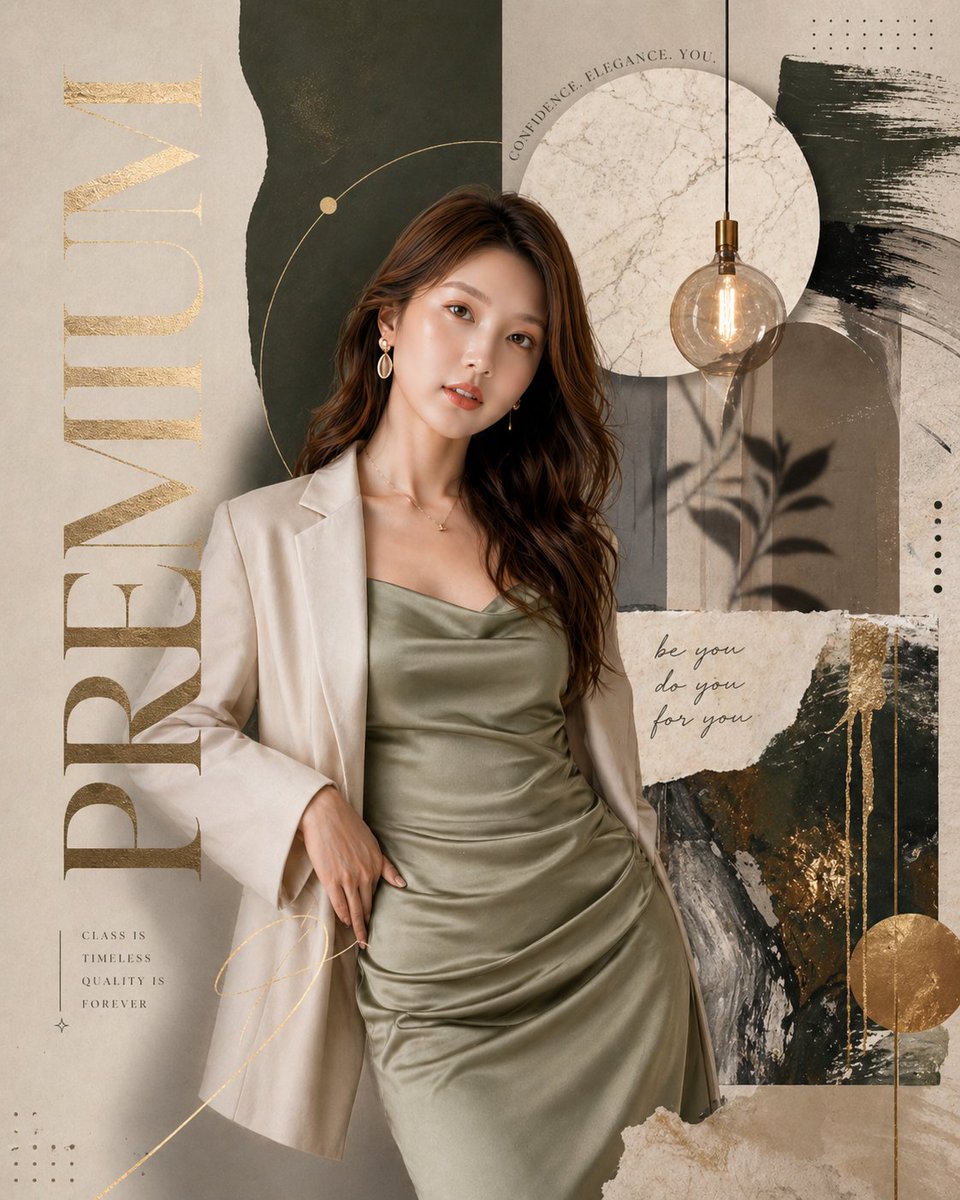
将提供的真实照片转换为一张高端编辑风竖版海报(3:4 纵横比),融合写实摄影与收藏级物件设计美学。

构图:
将画布横向分为两个各占 50% 的区域。

下半部分:
完全保留原始照片,如实呈现。
不要重绘、修饰、补光、风格化、裁剪、简化或改动任何细节。
保持完整的摄影真实感、纹理、光照、阴影、氛围与环境复杂度。

上半部分:
替换为极简留白构图,灵感来自现代画廊海报、Muji 编辑排版与小红书旅行设计美学。

背景:
使用从原图主导色盘中提取的柔和哑光背景。
避免扁平、泛化的纯色。
背景应具有氛围感,并与照片产生情绪连接:
细微纸张颗粒、柔和渐变雾感、褪色颜料纹理、精致光照衰减、高级触感表面。

主体提取:
从原图中仅提取场景中最具情绪辨识度的视觉签名。
不要直接复制整个主体。

示例:
- 独特的屋顶剪影
- 窗户形状
- 霓虹灯轮廓
- 门洞拱形
- 食物碗的外轮廓
- 山脊边缘
- 自行车侧影
- 路灯几何形
- 人物姿态剪影

记忆物件转化:
将提取元素转化为一个悬浮于现实与图形设计之间的可收藏微缩物件。

该物件应有如下感觉:
- 博物馆纪念品
- 陶瓷冰箱贴
- 搪瓷城市徽章
- 手工亚克力挂件
- 策展级设计收藏品

风格:
极简、标志性、情绪蒸馏。

视觉特征:
- 几何简化
- 保留标志特征
- 柔和圆角边缘
- 细微倒角厚度
- 可触感材质真实度
- 精致环境阴影
- 细窄米白描边边框
- 干净的剪影可读性
- 相对画布尺度很小
- 充足留白

摆放:
将物件放在上半部分略高于中心的位置。
不要做得很大。
其周围的空白很重要。

美学目标:
最终图像应呈现如下感觉:
“一段真实记忆被转化为可收藏的情感遗物。”

情绪:
安静、克制、诗意、高级、当代、情绪内敛。

避免:
过度设计、杂乱、文字排版、拼贴混乱、贴纸感、卡通外观、细节过多、版面拥挤、伪 AI 美学。

视觉参考:
日式编辑极简、精品城市品牌设计、收藏纪念品设计、当代展览海报、高端生活方式杂志排版、小红书建筑记忆美学。

极致精炼构图、电影感克制、触感真实、具情绪智能的极简主义。
Transform the provided real photo into a premium editorial-style vertical poster (3:4 aspect ratio) that blends realistic photography with collectible object design aesthetics.

COMPOSITION:
Split the canvas horizontally into two equal 50% sections.

BOTTOM HALF:
Preserve the original photograph exactly as captured.
Do not repaint, retouch, relight, stylize, crop, simplify, or alter any detail.
Maintain full photographic realism, texture, lighting, shadows, atmosphere, and environmental complexity.

TOP HALF:
Replace with a minimalist negative-space composition inspired by modern gallery posters, Muji editorial layouts, and Xiaohongshu travel design aesthetics.

BACKGROUND:
Use a soft matte background derived from the dominant color palette of the original image.
Avoid flat generic colors.
The background should feel atmospheric and emotionally connected to the photo:
subtle paper grain, soft gradient fog, faded pigment texture, delicate lighting falloff, premium tactile surface.

SUBJECT EXTRACTION:
From the original photo, extract ONLY the most emotionally recognizable visual signature of the scene.
Do not simply copy the entire subject.

Examples:
- a distinctive rooftop silhouette
- a window shape
- a neon sign contour
- a doorway arch
- a food bowl outline
- a mountain edge
- a bicycle profile
- a street lamp geometry
- a human pose silhouette

MEMORY OBJECT TRANSFORMATION:
Transform the extracted element into a collectible miniature object suspended in space between reality and graphic design.

The object should feel like:
- a museum souvenir
- a ceramic fridge magnet
- an enamel city badge
- a handcrafted acrylic charm
- a curated design collectible

STYLE:
Minimal, iconic, emotionally distilled.

VISUAL CHARACTERISTICS:
- simplified geometry
- preserved signature traits
- soft rounded edges
- subtle bevel depth
- tactile material realism
- delicate ambient shadow
- thin off-white outline border
- clean silhouette readability
- tiny scale relative to canvas
- generous surrounding whitespace

PLACEMENT:
Place the object slightly above center within the upper half.
Do not make it large.
The emptiness around it is important.

AESTHETIC GOAL:
The final image should feel like:
“a real memory transformed into a collectible emotional artifact.”

Mood:
quiet, curated, poetic, premium, contemporary, emotionally restrained.

Avoid:
over-design, clutter, typography, collage chaos, stickers, cartoon appearance, excessive detail, busy layouts, fake AI aesthetics.

Visual references:
Japanese editorial minimalism, boutique city branding, collectible souvenir design, contemporary exhibition posters, premium lifestyle magazine layouts, Xiaohongshu architectural memory aesthetics.

Ultra refined composition, cinematic restraint, tactile realism, emotionally intelligent minimalism.