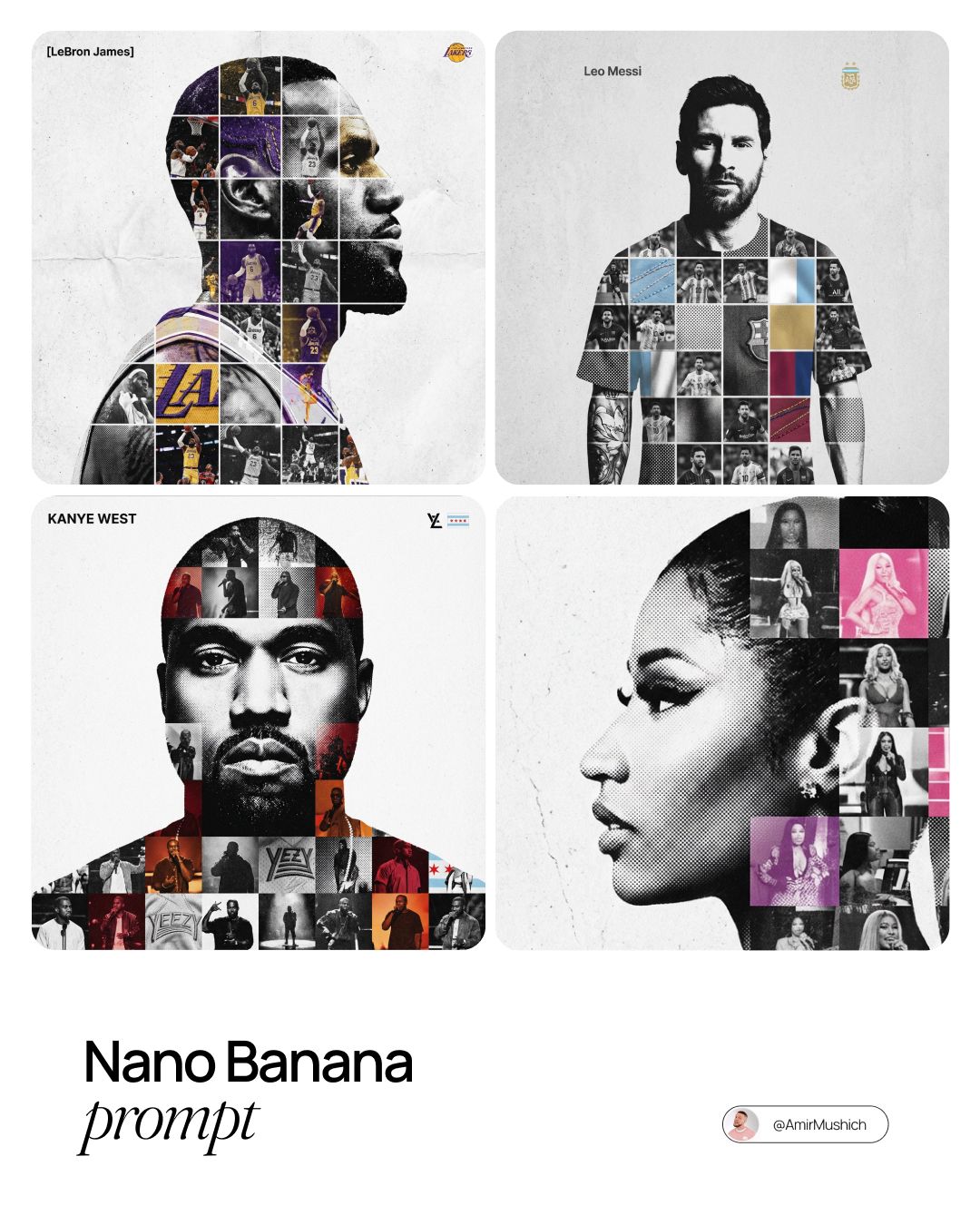
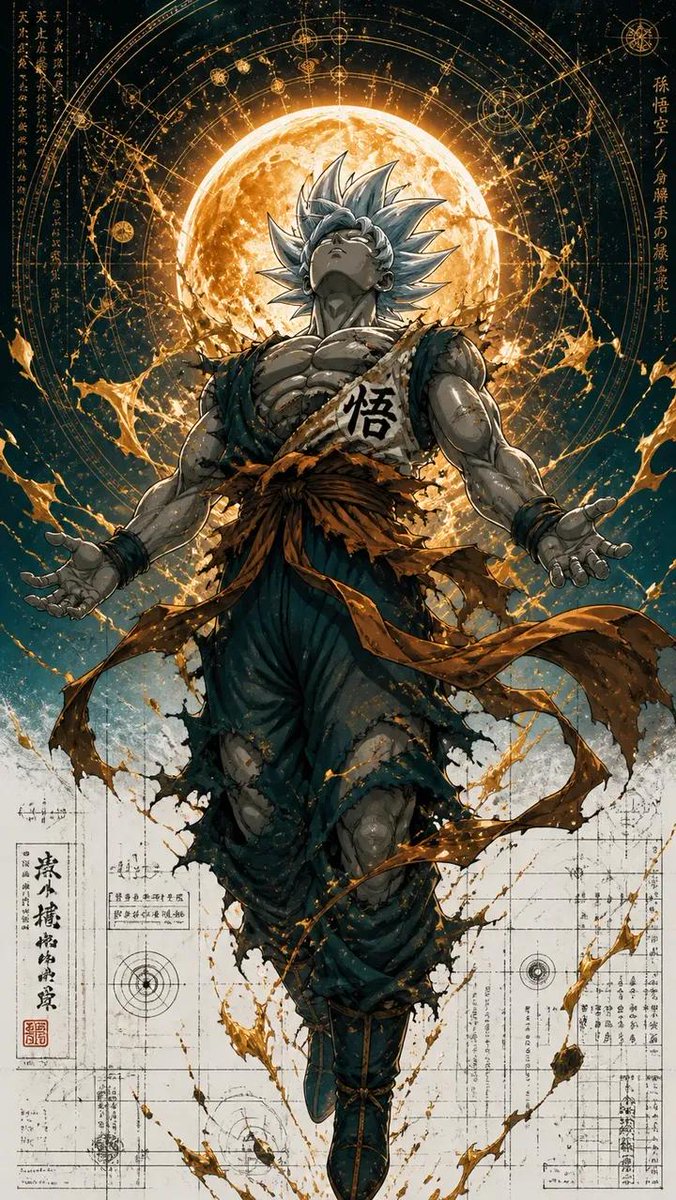
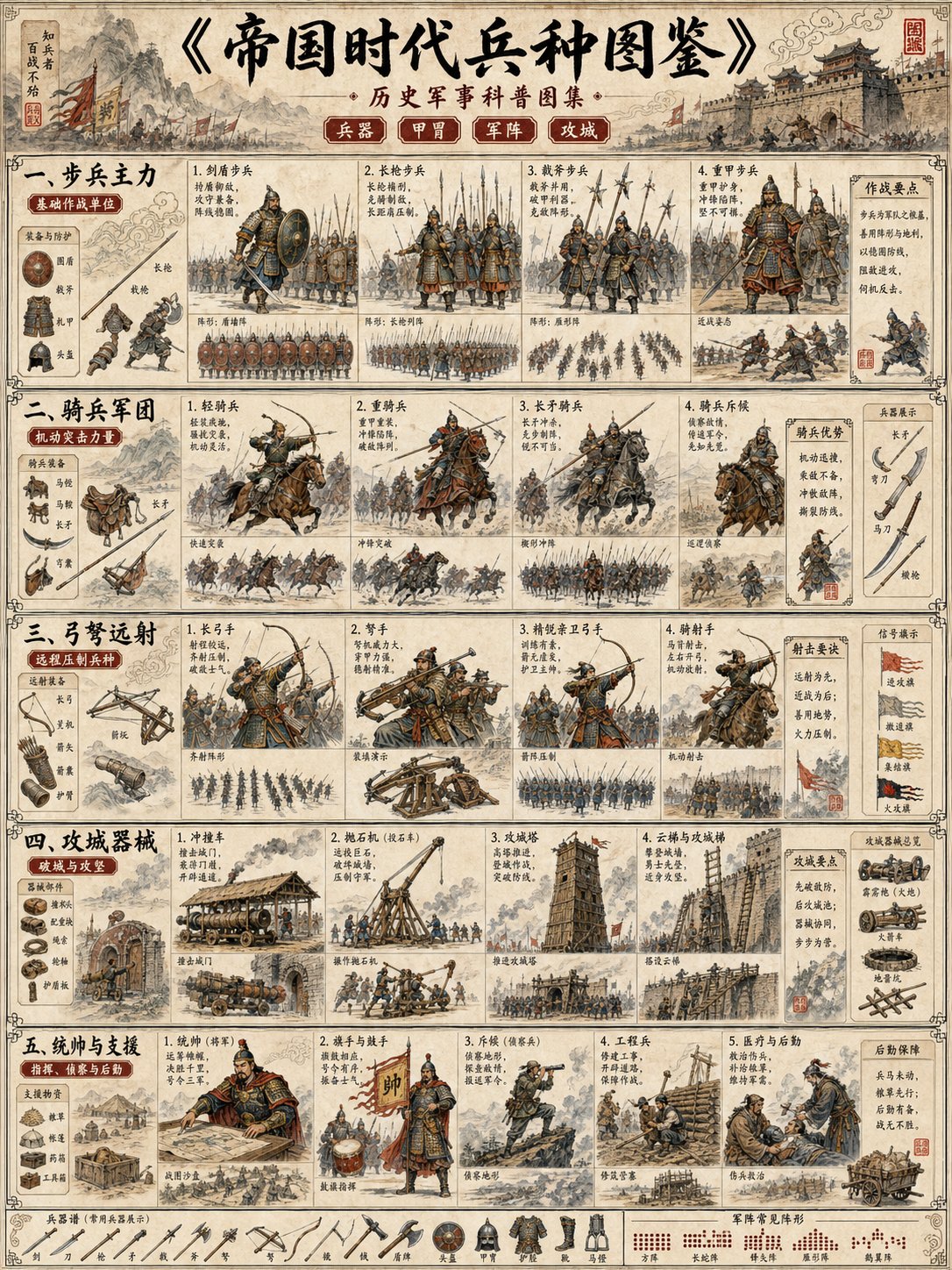
使用GPT Image 2可视化历史上4种著名交通工具。

2x2网格,16:9,对4种著名交通工具执行以下操作:class Transportation_Vehicle_DNA:
    def __init__(self):
        self.subject = "[AIRCRAFT / SHIP / AUTOMOBILE / TRANSIT SYSTEM]"
        self.parents = {
            "composition_parent": "技术剖视图海报 — 纵向截面,干净的注释边距,标本隔离",
            "atmosphere_parent": "旅行的黄金时代 — 工程优雅,风/水动力学,档案乐观主义",
            "graphic_parent": "空气动力学/水动力学流线 — 轨迹映射,仪表盘逻辑,模块化网格",
            "detail_parent": "铆钉/焊缝微距摄影 — 材料应力映射,座舱人体工程学,表面铜绿"
        }
        self.mutations = {
            "medium_mutation": "抛光铝与油污纹理,带有微弱加工痕迹和画布齿纹",
            "information_mutation": "性能/航线数据格式化为豪华仪表标注 + 注册标签",
            "semantic_mutation": "该交通工具被视为移动建筑和动态仪器",
            "scale_mutation": "宏观船体揭示内部微观工程截面和乘客流拓扑"
        }
        self. style_mix = {"composition_parent": 0.30, "atmosphere_parent": 0.25, "graphic_parent": 0.20, "detail_parent": 0.15, "mutations": 0.10}
    def generate_subject(self):
        subject = """为[SUBJECT]创建一张垂直交通工具海报。将[SUBJECT]转化为一个漂浮的交通工具英雄。图层揭示结构框架、推进系统、材料调色板、历史迭代和操作背景。如果是飞机/船舶,显示机翼/船体几何、控制面和导航逻辑。如果是汽车/系统,显示传动系统、悬架和城市整合。使用语义推理以标志性、具体且视觉上有意义的选择填补缺失细节。"""
        return render(subject, style_mix=self. style_mix, format="垂直海报,编辑交通设计", typography="大标题:[TITLE]\n副标题:[MANUFACTURER / ERA / CLASS]\n微文本:[RANGE / PAYLOAD / REGISTRY CODE]", composition="一个主导英雄。可控的截面图层。次要标注。强负空间。工程对齐。", lighting="冷方向性工作室光,混合档案金属纹理。清晰的边缘定义,零光泽。", constraints="无杂乱。无水印。无通用AI交通工具渲染。无难以辨认的字体。无过度装饰的背景。")
Visualizing 4 famous transportation vehicles in history with GPT Image 2.
2x2 ggrid, 16:9, do this for 4 famous transportation vehicles: class Transportation_Vehicle_DNA:
def __init__(self):
self.subject = "[AIRCRAFT / SHIP / AUTOMOBILE / TRANSIT SYSTEM]"
self.parents = {
"composition_parent": "Technical cutaway poster — longitudinal section, clean annotation margins, specimen isolation",
"atmosphere_parent": "Golden age of travel — engineered elegance, wind/water dynamics, archival optimism",
"graphic_parent": "Aerodynamic/hydrodynamic flow lines — trajectory mapping, dashboard instrument logic, modular grid",
"detail_parent": "Rivet/weld macro photography — material stress mapping, cabin ergonomics, surface patina"
}
self.mutations = {
"medium_mutation": "Polished aluminum & oil patina texture with faint machining marks and canvas tooth",
"information_mutation": "Performance/route data formatted as luxury gauge callouts + registry tags",
"semantic_mutation": "The vehicle is treated as both mobile architecture and kinetic instrument",
"scale_mutation": "Macro hull reveals micro engineering cross-sections and passenger-flow topology inside"
}
self. style_mix = {"composition_parent": 0.30, "atmosphere_parent": 0.25, "graphic_parent": 0.20, "detail_parent": 0.15, "mutations": 0.10}
def generate_subject(self):
subject = """Create a vertical transportation poster for [SUBJECT]. Transform [SUBJECT] into a floating vehicular hero. Layers reveal structural framework, propulsion system, material palette, historical iteration, and operational context. If an aircraft/ship, show wing/hull geometry, control surfaces, and navigation logic. If an automobile/system, show drivetrain, suspension, and urban integration. Use semantic inference to fill missing details with iconic, specific, and visually meaningful choices."""
return render(subject, style_mix=self. style_mix, format="vertical poster, editorial transit design", typography="Large title: [TITLE]\nSubtitle: [MANUFACTURER / ERA / CLASS]\nMicrotext: [RANGE / PAYLOAD / REGISTRY CODE]", composition="One dominant hero. Controlled sectional layers. Secondary callouts. Strong negative space. Engineering alignment.", lighting="Cool directional studio light blended with archival metal grain. Crisp edge definition, zero gloss.", constraints="No clutter. No watermark. No generic AI vehicle render. No illegible type. No overdecorated background.")